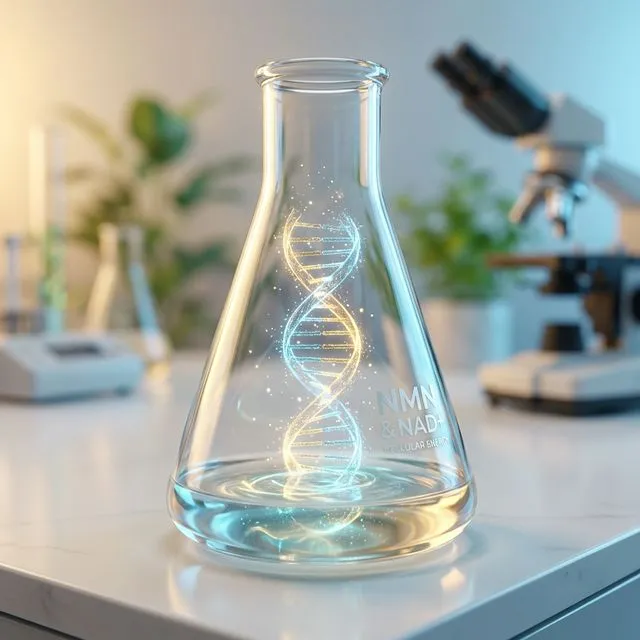
Nicotinamide Mononucleotide (NMN) has emerged as a groundbreaking molecule in the field of longevity science. As a direct precursor to Nicotinamide Adenine Dinucleotide (NAD+), NMN plays a pivotal role in maintaining cellular health and energy metabolism. But how exactly does it work, and why is it considered superior to other NAD+ boosters?
Understanding the NAD+ Decline
NAD+ is a coenzyme found in all living cells. It is essential for converting nutrients into energy (ATP) and for supporting enzymes that repair DNA and regulate cellular stress. However, as we age, our natural NAD+ levels decline significantly—by middle age, they can drop to half of what they were in our youth.
Consequences of Low NAD+
- Reduced Cellular Energy: Feeling fatigue more easily.
- Slower DNA Repair: Increased susceptibility to genetic damage.
- Metabolic Changes: Weight gain and insulin sensitivity issues.
- Cognitive Decline: Brain fog and reduced focus.
The NMN Advantage
While you can’t supplement with NAD+ directly (the molecule is too large to enter cells effectively), you can take precursors that the body converts into NAD+. NMN is the most direct step in this conversion pathway.
Mechanism of Action
- Rapid Absorption: Studies suggest NMN can enter the bloodstream quickly after ingestion.
- Efficient Conversion: Once inside the cell, NMN is converted directly into NAD+ via a specific enzymatic pathway.
- Sirtuin Activation: Elevated NAD+ levels activate Sirtuins (the “longevity genes”), which promote DNA repair and metabolic efficiency.
Natural Sources vs. Supplementation
Small amounts of NMN are found in common foods like:
- Broccoli
- Cabbage
- Avocado
- Edamame
However, to get a clinically relevant dose (typically 250mg - 1000mg), you would need to eat enormous quantities of these vegetables. This is why high-purity NMN supplementation has become a key strategy for those looking to support their longevity journey.
Conclusion
By supporting your body’s natural ability to produce NAD+, NMN offers a promising avenue for combating age-related decline. Whether you’re looking to boost energy, improve metabolism, or support long-term cellular health, understanding the role of this powerful nucleotide is the first step.