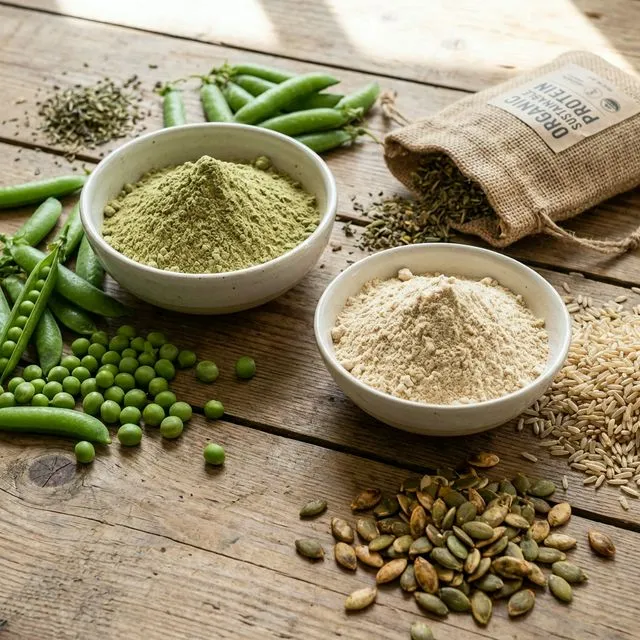
As the global population grows and climate concerns mount, the shift towards plant-based diets is no longer a trend—it’s a necessity. plant proteins are leading this charge, offering a sustainable alternative to animal products without compromising on nutrition or taste.
Understanding the Options
Not all plant proteins are created equal. Here are the top contenders making waves in the industry:
1. Pea Protein (Pisum sativum)
Pea protein is celebrated for its high digestibility and rich amino acid profile, particularly lysine.
- **Benefits:**Hypoallergenic, easy to digest, supports muscle growth.
- **Applications:**Protein shakes, meat alternatives, dairy-free yogurts.
2. Brown Rice Protein (Oryza sativa)
While rice protein is easily digestible, it is slightly low in lysine. However, when paired with pea protein, it forms acomplete protein profilecomparable to whey.
- **Benefits:**Gentle on the stomach, allergen-free (no gluten, soy, or dairy).
- **Synergy:**Often blended with pea protein for optimal amino acid balance.
3. Pumpkin Seed Protein (Cucurbita pepo)
Pumpkin seed protein stands out with its rich mineral content (magnesium, zinc, iron) and a pleasant, nutty flavor.
- **Benefits:**Supports heart health, prostate health (for men), and boosts energy levels.
- **Flavor Profile:**Adds a subtle earthiness to baked goods and snack bars.
Why Choose ?
Conventionally grown crops like soy and corn are often heavily sprayed with pesticides and are frequently genetically modified (GMO). plant proteins guarantee:
- **Non-GMO:**Verified non-genetically modified organisms.
- **No Synthetic Pesticides:**Cleaner ingredients for your body and the planet.
- **Soil Health:**farming practices promote biodiversity and soil regeneration.
The Future is Green
Investing in plant protein isn’t just about meeting consumer demand; it’s about building a sustainable future for the food industry.