
In the last few years, you might have noticed a fungal invasion in the wellness aisle. Coffee replacements, protein powders, and even chocolates are now infused with “functional mushrooms.” But this isn’t just a fleeting trend. For thousands of years, Traditional Chinese Medicine (TCM) and Ayurveda have utilized these powerful fungi to balance the body and mind. Today, modern science is finally catching up, validating what ancient healers have known for centuries.
These aren’t your culinary button mushrooms or portobellos (though those are healthy too!). We’re talking about adaptogens—a unique class of herbs and mushrooms that help the body resist stressors of all kinds, whether physical, chemical, or biological.
What Are Adaptogens?
Adaptogens work like a thermostat for your stress response system. If you’re too ramped up (anxiety, high cortisol), they help calm you down. If you’re feeling depleted (fatigue, brain fog), they give you a boost without the jitters of caffeine.
To classify as an adaptogen, a substance must:
- Be non-toxic in normal doses.
- Produce a non-specific response that increases resistance against multiple stressors.
- Have a normalizing influence on physiology.
Let’s explore the “Big Four” medicinal mushrooms that are leading this revolution.
1. Lion’s Mane (Hericium erinaceus)
The Brain Booster
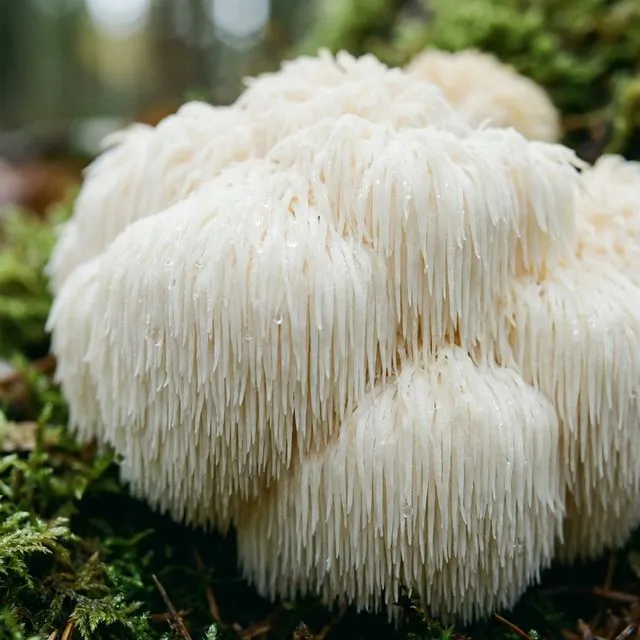
If there’s one mushroom that has captured the attention of biohackers and students alike, it’s Lion’s Mane. Easily unrelated by its cascading white tendrils that resemble a lion’s mane, this mushroom is a powerhouse for cognitive function.
Heritage: Buddhist monks were said to use Lion’s Mane tea to enhance focus during meditation.
Modern Science: Research suggests that Lion’s Mane contains compounds called hericenones and erinacines that can stimulate the production of Nerve Growth Factor (NGF). NGF is essential for the maintenance and survival of neurons.
Key Benefits:
- Memory & Focus: May improve recall and mental clarity.
- Nerve Health: Potential to support the regeneration of damaged nerves.
- Mood Support: Some studies indicate potential for reducing mild symptoms of anxiety and depression.
Best For: The “Brain Fog” battler. Perfect for deep work sessions or older adults looking to support cognitive longevity.
2. Reishi (Ganoderma lucidum)
The Mushroom of Immortality
In ancient Taoist texts, Reishi was often referred to as the “Mushroom of Immortality” and was reserved for royalty. It is the ultimate “chill pill” of the mushroom kingdom.
Heritage: Used in China for over 2,000 years to promote longevity and “Shen” (spirit/consciousness).
Modern Science: Reishi is rich in triterpenes and beta-glucans. Triterpenes are compounds that give Reishi its bitter taste and have been shown to have calming effects on the nervous system. Its beta-glucans are potent immune modulators.
Key Benefits:
- Sleep & Relaxation: Helps calm the mind and prepare the body for restful sleep.
- Immune Support: Enhances the activity of white blood cells.
- Stress Resilience: Helps lower cortisol levels.
Best For: The over-worked and under-slept. Taking Reishi in the evening is a popular ritual for winding down.
3. Chaga (Inonotus obliquus)
The King of Medicinal Mushrooms
Growing primarily on birch trees in cold climates (like Siberia, Canada, and Northern China), Chaga looks less like a mushroom and more like a burnt piece of charcoal. But inside that rough exterior lies a golden interior packed with antioxidants.
Heritage: Used in folk medicine in Northern Europe and Russia for centuries to boost immunity and overall health.
Modern Science: Chaga has one of the highest ORAC (Oxygen Radical Absorbance Capacity) scores of any food, meaning it is incredibly effective at neutralizing free radicals. It is also a dense source of melanin and zinc.
Key Benefits:
- Super Antioxidant: Fights oxidative stress and inflammation.
- Immune Defense: Supports a robust immune response.
- Skin Health: The high melanin content may support skin health and UV protection.
Best For: Daily defense. Think of Chaga as your biological shield against pollution, stress, and illness.
4. Cordyceps (Cordyceps militaris)
The Energy Igniter
Cordyceps is famous (or infamous) for how it grows in the wild—on caterpillars! Don’t worry, though. Almost all modern Cordyceps (specifically Cordyceps militaris) is vegan, grown on substrates like rice or grain.
Heritage: Originally used by yak herders in the Himalayas who noticed their animals became energized after grazing on the fungus.
Modern Science: Cordyceps increases the body’s production of ATP (adenosine triphosphate), which is the primary energy currency of our cells. It has also been shown to improve VO2 max, essentially helping the body utilize oxygen more efficiently.
Key Benefits:
- Physical Performance: Boosts stamina and endurance.
- Lung Health: Supports respiratory function.
- Libido: Traditionally used as an aphrodisiac and vitality booster.
Best For: Athletes and the chronically tired. It’s a great pre-workout alternative to stimulants.
How to Incorporate Them Into Your Life

Gone are the days of boiling woody chunks of fungus for hours. Modern extraction technologies have made these mushrooms accessible and delicious.
1. Mushroom Coffee & Lattés
This is the most popular entry point. Blending extract powders with coffee can help mitigate the jitters of caffeine while adding focus (Lion’s Mane) or stamina (Cordyceps).
2. Smoothies
The earthy, slightly nutty flavor of many mushroom powders blends seamlessly into chocolate or berry smoothies.
3. Capsules & Tinctures
For those who want a therapeutic dose without the taste, dual-extracted capsules or alcohol-based tinctures offer high potency.
Quality Matters: What to Look For
Not all mushroom products are created equal. Since the boom in popularity, the market is flooded with low-quality “mycelium on grain” products.
- Fruiting Body vs. Mycelium: Always look for extracts made from the fruiting body (the actual mushroom). Mycelium grown on grain often contains high levels of starch and low levels of active compounds (beta-glucans).
- Extraction Method: Look for “Dual Extract” (Hot Water + Alcohol). This ensures both the water-soluble compounds (beta-glucans) and alcohol-soluble compounds (triterpenes) are present.
- Beta-Glucan Content: A transparent brand will list the percentage of beta-glucans on the label.
At ToNutra, we specialize in organic, wood-grown fruiting body extracts with standardized active compounds. Whether you are formulating a new beverage or looking to upgrade your personal routine, sourcing the highest quality fungi is the first step to unlocking their potential.
Ready to explore our range? Check out our Organic Mushroom Extracts page.